
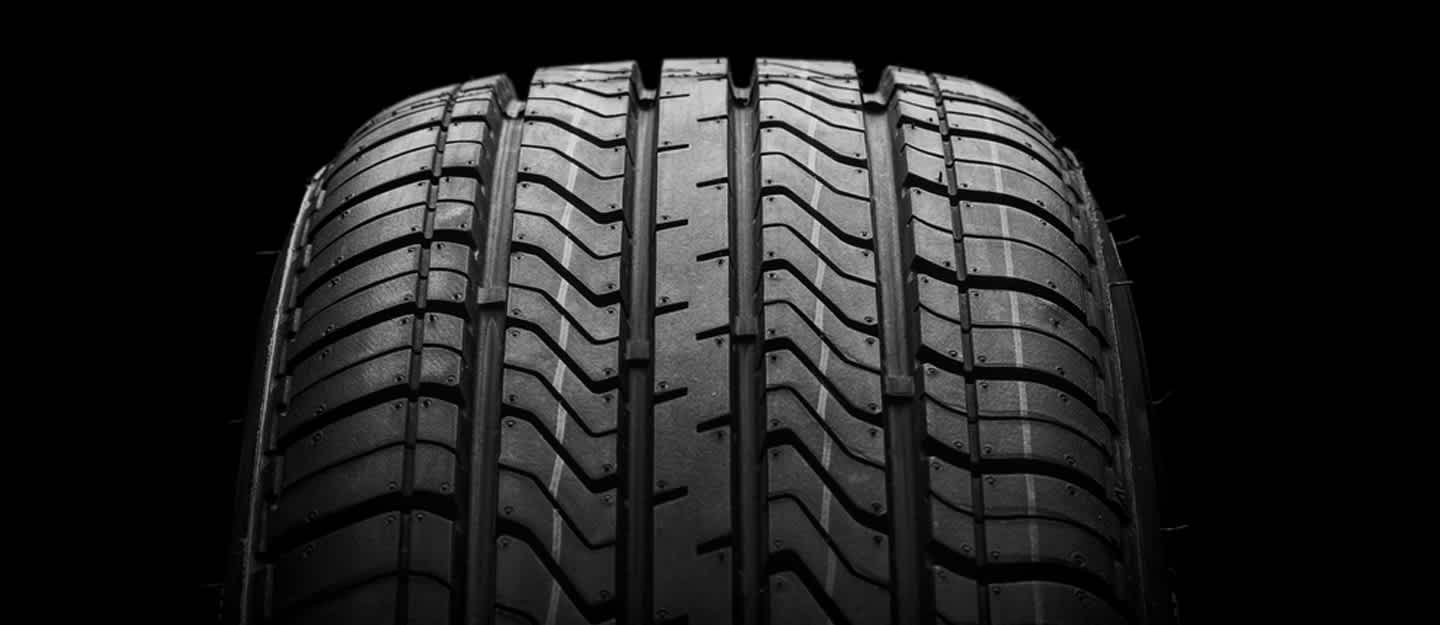
Tyre Tread Depth UK
Updated 24/09/2025
Minimum tyre tread UK
Everything you need to know.
TL;DR
In the UK, the legal minimum tyre tread depth is:
- 1.6mm across the central three-quarters of the tyre’s breadth
- and around the entire outer circumference of the tyre.
It’s recommended to replace tyres before they get that low (most experts suggest around 3mm for cars, and 4mm for winter tyres) because braking distances increase significantly as tread wears down.
In this article, we'll cover:
- How much mm on a new tyre
- What is the legal tread depth
- How to check your tyre with a 20p
- How to check your tyre with a 10p
- How to check your tyre with a depth gauge
- Check my tyres with embossed tyre gauge
- How long will 5mm of tread last
- How long will 3mm of tread last
- How long will 2mm of tread last
- What happens if I have an accident on illegal/bald tyres
How much mm on a new tyre?
A new tyre starts with roughly 8 - 9mm of tread depth - but there is no industry standard.
What is the legal tread depth?
The legal tread depth on a tyre in the UK and Europe is 1.6mm across the centre three-quarters of the tyre. The tyre must meet this minimum requirement across its complete circumference.
To be on the safe side, most garages recommend a tyre change at around 3mm as if it dips below this, stopping distance increases dramatically as the tyre is unable to grip the road properly. The braking difference between 3mm worn and 1.6mm worn can be as much as 40 - 45%!
How to check tyre tread with a 20p?
A common way people have been checking their tyre tread is with the 20p. It's a simple and easy way to check the wear on your tyres.
Insert a 20p coin into the tread groves of the tyre. If you can't see the outer band of the coin, your tyres are above the legal limit.
However, if you can see the band, your tyres could be unsafe and need a second opinion to see how much mm is left on them. The RAC have a great video on YouTube demonstrating the 20p test.
It's worth doing the 20p check every 2 - 3 weeks, especially if you're planning on doing a long-distance journey.
How to check tyre tread with a 10p?
This isn't possible anymore. Since the new design of the 10p back in 2013, it's not been a useful way to check the depth of your tyres - just stick with the 20p (until the design changes, of course)
How to check tyre tread depth with a tread depth gauge
These are a great and quick way to check the tread depth. Just insert the device into the groove of the tyre and the gauge will move up to a mm number letting you know how much tread is left on the tyre.
You can find a cheap and easy-to-use gauge at most parts & accessories shops such as Halfords.
Checking my tyres with tyre tread wear indicators
Some tyres have a line indicator embossed onto the tyre wall and you can use this to gauge the depth. If the line is flush with these lines, you're below the legal limit and they need to replace your tyres.
How long will 5mm tyre tread last?
If you've got roughly 5mm of tread left on your tyre, they are still in good condition and don't need to be changed immediately.
You can expect 5mm of tread on a tyre to last roughly between 12,000 - 17,000 miles, but this all depends on factors such as how you drive, how much you drive, road conditions, climate, tyre quality, driving habits, and if you regularly check the tyres etc...
How long will 3mm tyre tread last?
As we mentioned previously, when the tyres get to around 3mm, most garages would advise you to change them to be on the safe side as you're only 1.4mm away from being on the very legal limit of 1.6mm. How quickly the tread wears depends on factors mentioned in the previous point about 5mm tyres.
How long will 2mm tyre tread last?
2mm tyres are considered unsafe and are nearing the legal limit of 1.6mm, meaning you only have 0.4mm of tread left before you're on the line of being legal/illeagal to have those badly worn tyres on your car. If you find yourself at this stage, we recommend getting them changed as soon as possible.
If you want a price on some new tyres, you can contact any of the Chorley Group dealerships today and we'll give you a custom quote to fit your needs.
What happens if I have an accident whilst using bald or illegal tyres?
This is a situation you don't want to find yourself in.
Driving with illegal or bald tyres puts you and other road users in danger.
If you are involved in an accident whilst driving on illegal or bald tyres, you could:
- Have your insurance claim invalidated (your insurer won't pay out)
- Could be fined £2,500 and get 3 points on your licence
- This is per tyre - so four illegal tyres could cost you £10,000 and 12 points on your licence
Related articles

What Is an EGR Valve?
Have you ever heard someone mention an "EGR valve" but you're unsure what it is? Here's everything you need to know.
Posted on 23 October 2024Steve Allen
Read full article
Acme Facilities Group make the leap
Acme Facilities Group swap their entire fleet of engineers' vans and take delivery of 10 new Nissan Primastars.
Posted on 10 October 2024Steve Allen
Read full article
Inspire's Chair Takes on New Role as Lifetime President
We're proud to announce that Andrew Turner has taken up a new role at Inspire Youth Zone Chorley as Lifetime President.
Posted on 25 July 2024Harry Prestidge
Read full article
